I did goblet squats every day for a month – with surprising results
“The goblet squat is the single most important transformational exercise in the history of exercise,” leading strength coach Dan John tells me. A fan of hyperbole, he’s half-joking, and there might be a slight bias given he invented the move. But as a fitness coach I’ve found it largely lives up to this billing.
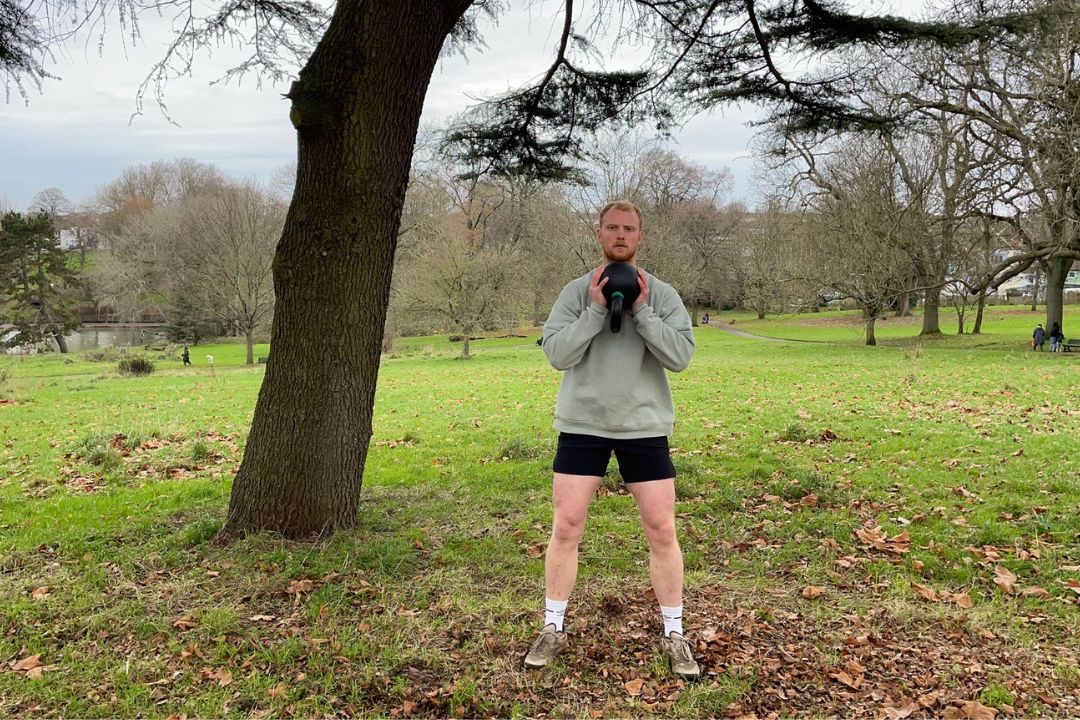
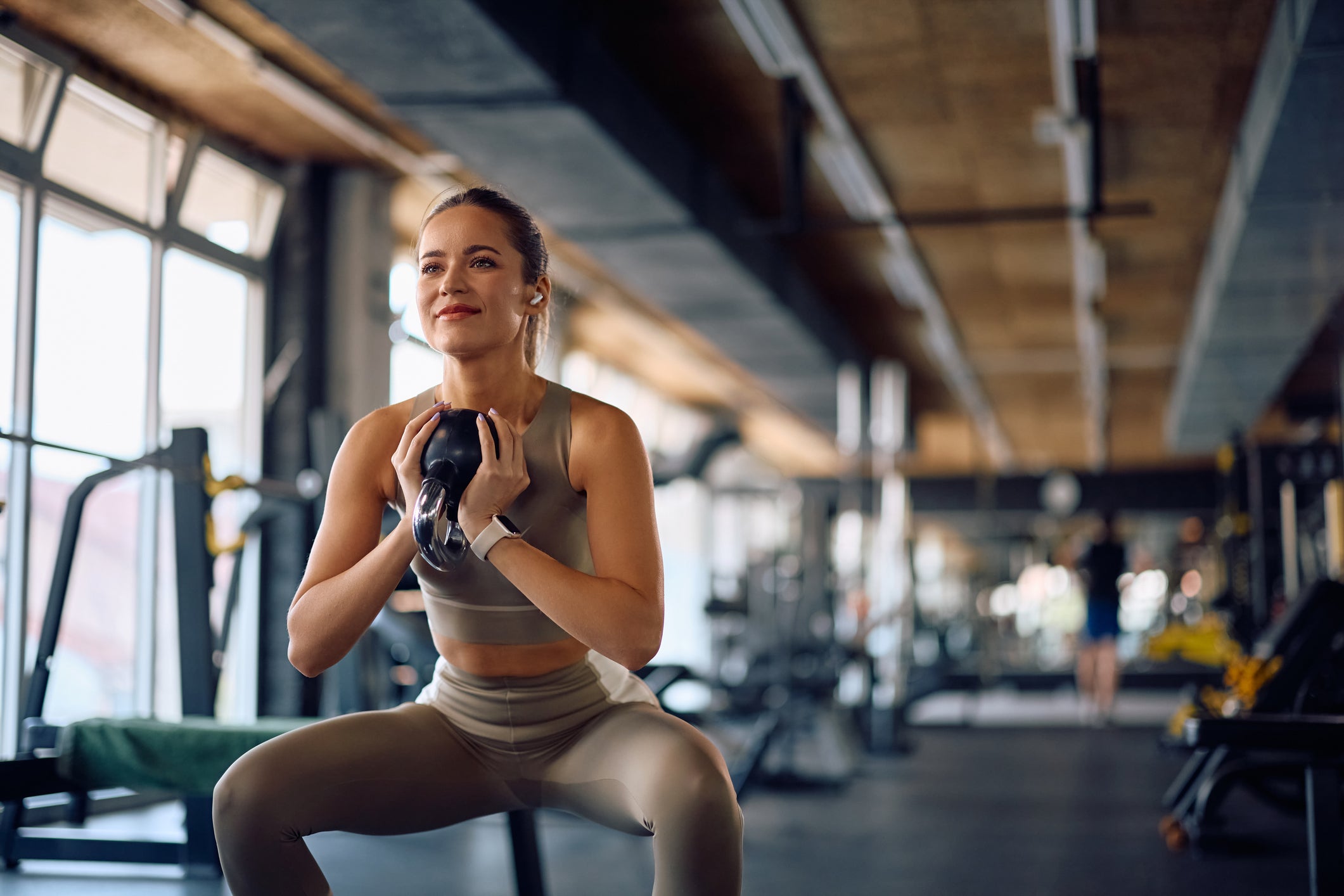
The exercise sees you hold a weight with both hands in front of your chest, then sink into a squat until your elbows tickle the insides of your knees. The “goblet” moniker is inspired by how the weight is held, while also providing a sly nod to John’s love of Arthurian legend.
“I’m at the point where I don’t recommend squatting with a barbell to practically anybody any more because it’s done so poorly,” says John. “When you see something being done poorly over and over again, you sit back one day and you say, ‘Maybe we can do better.’”
That is why he invented the goblet squat – an exercise that automatically reinforces better squat technique.
By holding the weight in front of you, you are forced to keep your chest up and core tight throughout; by dropping your hips and elbows between your legs, your knees are pushed wider and naturally track over your toes; by ticking these first two boxes, you will achieve full depth in your squat.
If you can do one textbook goblet squat with a 24kg kettlebell, your lower body likely has the strength and mobility needed to handle the rigours of daily life, John says. If you can do 10, “you’re doing great”.
As someone with a couple of kettlebells knocking around the house, I decided to invest in John’s impressive elevator pitch and commit to doing goblet squats every day for a month. The results impressed me – although many of the benefits came in unexpected areas.
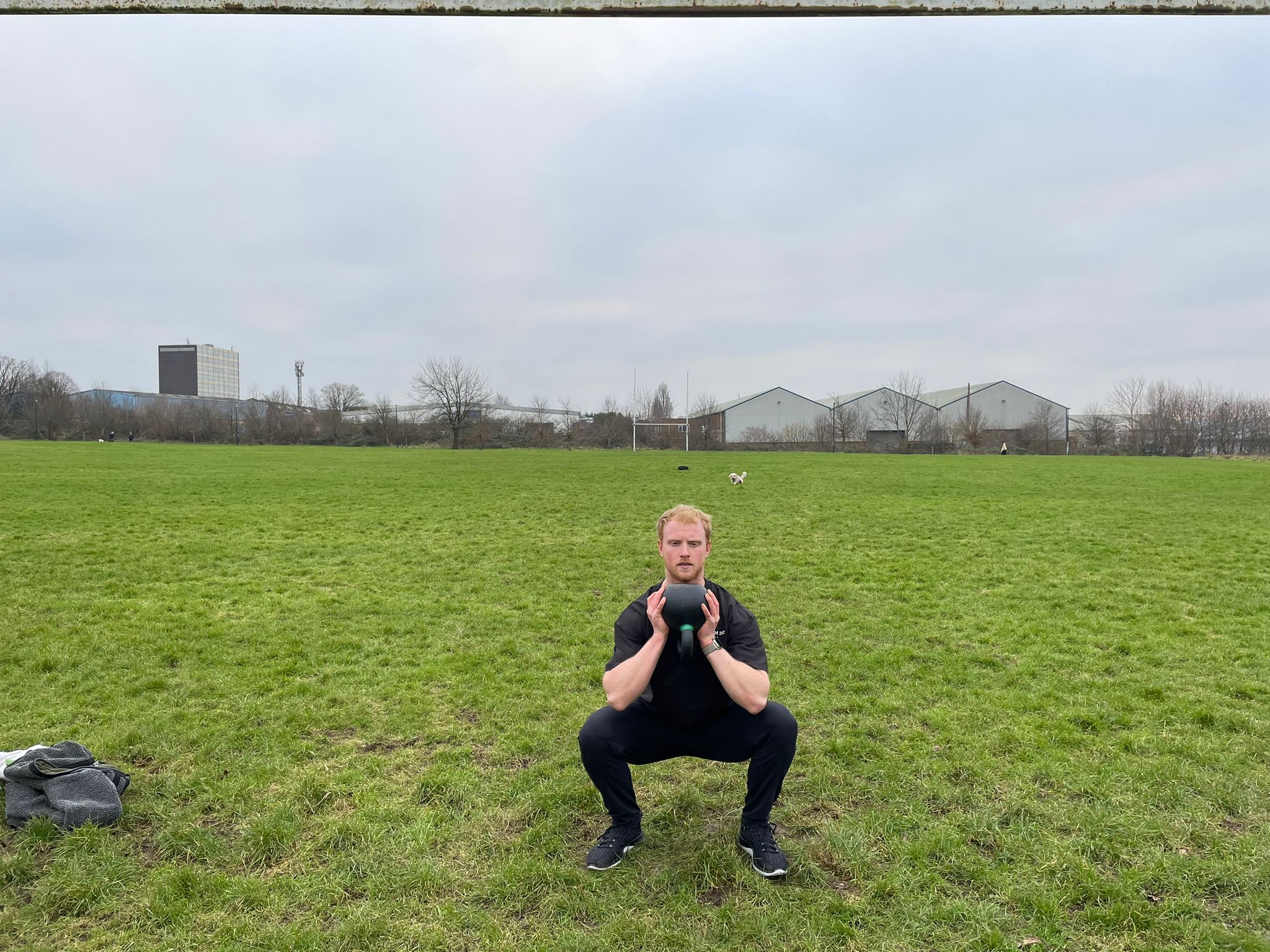
How to do the goblet squat
- Stand upright with your feet just outside shoulder-width apart and your toes pointed outward slightly. Play around with this position to find what feels comfortable for you.
- Hold a dumbbell, kettlebell, medicine ball or any other weighty object in both hands in front of your chest.
- Brace your core by imagining someone is about to strike you in the stomach, and tightening your midsection muscles accordingly.
- Keeping your chest proud throughout, push your hips back, then lower them between your legs until your elbows touch the insides of your knees.
- Drive through your feet to return to the starting position.
- Your weight should be between your midfoot and heel. To check if this is the case, you should be able to wiggle your toes at any point of the exercise.
- You can watch the video below for a demonstration of the exercise.
What happened when I did goblet squats every day for a month
It is not wise to do the same exercise at the same gut-busting intensity every single day. Instead, I chose to change the emphasis of my goblet squat sessions by playing with variables such as weight and tempo.
- Some days I used a heavy weight for five sets of five repetitions to target strength days.
- Some days I used a moderate weight for three sets of 15 repetitions to build muscle in my legs and glutes.
- Some days I incorporated them into a sweaty circuit to tax my cardiovascular system.
- Some days I picked a lighter weight and sat in the bottom position of a goblet squat for 30 seconds or more to develop mobility.
This approach proved fruitful, leading to the perks listed below.
Read more: Expert trainer names his three essential exercises for a stronger, more mobile body
My whole body felt more robust
The SAID principle stands for ‘Specific Adaptations to Imposed Demands’. It can be applied to exercise in any form, and simply means your body will get better at the things you consistently ask it to do. Inversely, the body operates on a rough use-it-or-lose-it basis, and will gradually relinquish access to any movements you neglect for prolonged periods. This is often the case with squatting.
John lists squatting as one of five fundamental human movements, alongside pushing, pulling, hinging and carrying. But while the latter four show up frequently in our daily lives, the invention of chairs has seen the skill of squatting fall by the wayside.
It is no wonder, then, that people walk into gyms and struggle to perform a picture-perfect squat. Even those who exercise regularly will still only spend a few seconds at the bottom of a squat each week, as opposed to the hours our ancient ancestors likely accrued.
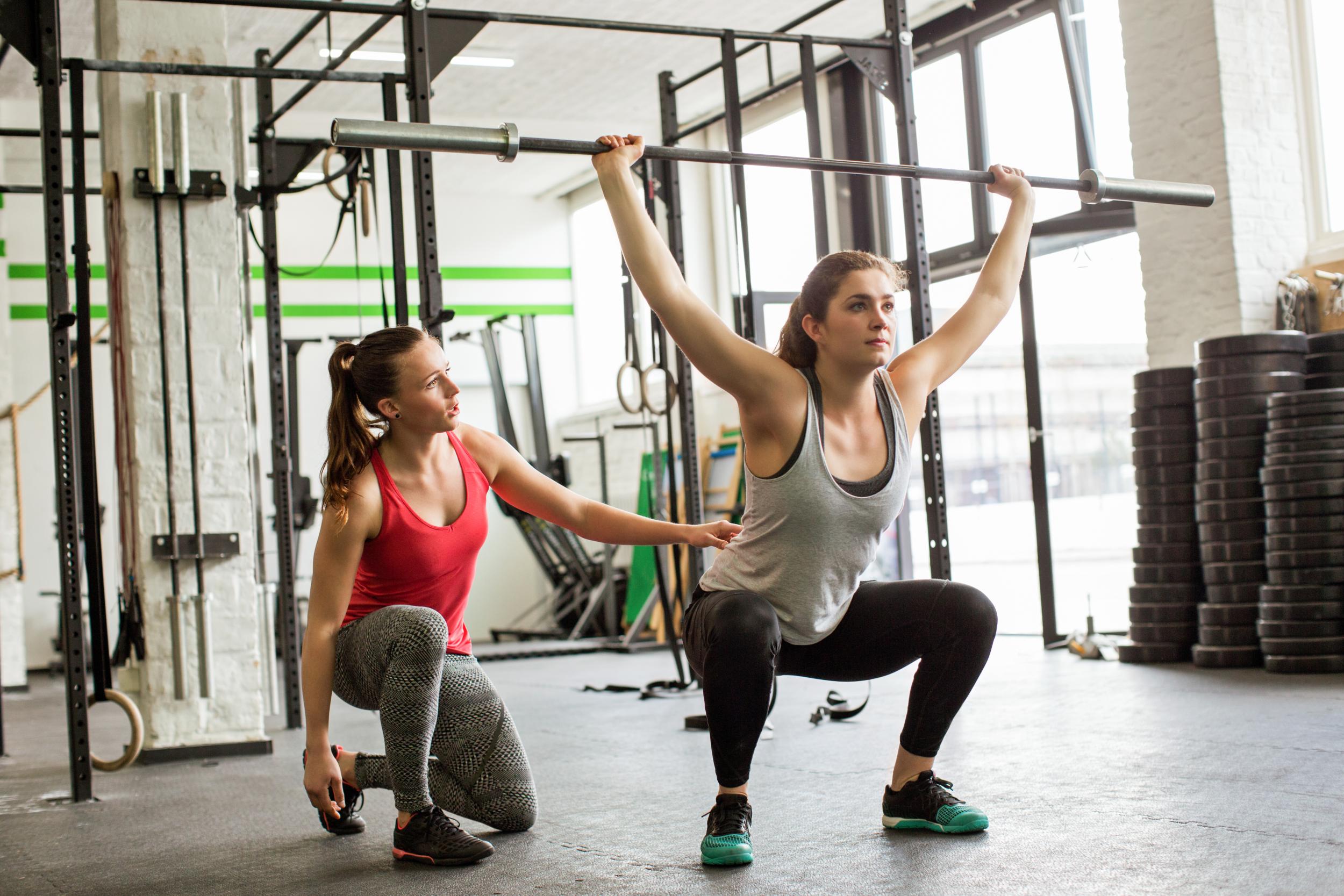
By doing goblet squats each day, and particularly sitting in the bottom position for 30 seconds or more, I found this movement started to feel far more natural. My hips, knees and lower back became stronger and more limber, while my ability to maintain tension throughout the movement translated to other exercises I enjoyed.
I became stronger
John himself admits that, for enthusiastic exercisers, goblet squats have a ceiling. You are limited by the amount of weight you can hold, so most people won’t be able to match the loads they can lift with a barbell squat. For that reason, John jokes, he will “get toasted online” by passionate powerlifters for suggesting most people don’t need to do barbell squats – strength athletes represent an exception to this rule.
However, while lifting progressively heavier weights is incredibly important for building strength, it is not the only factor to consider. Lifting weights is a skill, so you can get better at it through practice. But not just any practice.
The phrase “practice makes perfect” remains popular, but I prefer a tweaked alternative: “Practice makes permanent”. If you practice with poor technique, you will improve at squatting with poor technique, so it is important to prioritise correct form in all your training sessions – the goblet squat helps with this.
By doing daily goblet squats, I got into the groove of performing squats with good technique, and my body felt better because of it. Then, when I returned to barbell squats, a PB soon followed as I was able to move the weight more efficiently and effectively than I had before.
Read more: Swap the gym for this trainer’s six-move kettlebell workout to build full-body strength at home
My mobility improved
The squat is widely seen as a strength-building exercise, and rightly so. It recruits the entire body to move large loads, providing the stimulus needed for your body to adapt to help you lift even heavier weights in future. But the benefits don’t end there.
“The best way that we know to improve flexibility and range of motion is to load a stretch position safely,” Dr Andy Galpin, a tenured full professor at Parker University and world-renowned human performance coach, tells me. In other words, strength training beats long static stretches for improving your flexibility.
I’ve long believed that if you can comfortably hang from a bar, press a weight overhead and perform a solid squat, your body is probably in pretty good nick. The goblet squat reinforced this belief, improving mobility in my hips, knees and ankles over the course of the month.
For this reason, John likes to prescribe an incredibly simple two-move daily mobility protocol for most people: hang from a pull-up bar for 30 seconds, sit in the bottom of a goblet squat for 30 seconds, then repeat this sequence one or two more times.
Goblet squats: my verdict
Every exercise in the world will do something to your body. That “something” will very likely be positive, particularly if you weren’t moving all that much before. This is the SAID principle in action.
By this logic, I shy away from arguments about “best” and “worst” exercises, instead favouring the more nuanced approach of “what exercise is best for your needs, goals and capabilities”.
However, the goblet squat’s CV reads better than most. I found it has a low barrier for entry, can be performed safely by most people and builds a stronger, more robust and mobile body. And for those looking to live life to the full, those are some pretty attractive perks.
Read more: What the 50 jumps every morning trend really does to your metabolism