What Counts as a Strong Bench Press in Your 50s – See How You Stack Up
Jump to:
From the shortage of free benches on the gym floor, it’s clear the bench press remains one of the most popular lifts around. Alongside the squat and deadlift, it forms part of the ‘Big 3’ barbell lifts used to gauge overall strength and power. However, when we continue to include it in our programmes later in life, some adjustments may be necessary.
While many lifters assume their strength will inevitably fall off a cliff after 50, the reality is more nuanced. Yes, sarcopenia (age-induced muscle loss) exists. But with consistent training and adequate nutrition, many men in their 50s can maintain impressive pressing numbers well into later life.
What often changes is recovery capacity and joint resilience, which means training may need to become more strategic. That said, new research suggests muscle damage may not necessarily be worse in your 50s.
In a study published in the International Journal of Sports Medicine, researchers compared two groups of elite resistance-trained athletes: eight younger men (around 22 years old) and eight older men (around 52). Both groups completed 10 sets of squats at 70% of their one-rep max. The results showed similar levels of muscle damage in both groups after 24 hours.
So while it’s still important to train sensibly, address weaknesses and prioritise recovery, experienced lifters may respond to heavy resistance training in a similar way to when they were younger.
That said, rather than chasing numbers recklessly, the focus should shift towards building strength sustainably while keeping the shoulders healthy. And for that, it helps to have realistic benchmarks.

Bench Press Strength Standards for Men in Their 50s
The following numbers should be treated as rough guidelines rather than strict targets.
1-Rep Max
Beginner: 0.5-0.75 x bodyweight
Early Intermediate: 0.75-1 x bodyweight
Intermediate: 1-1.35 x bodyweight
Advanced: 1.35-1.65 x bodyweight
Elite: 1.65 x bodyweight and above
5-Rep Max
Beginner: 0.4-0.65 x bodyweight
Early Intermediate: 0.65-0.85 x bodyweight
Intermediate: 0.85-1.15 x bodyweight
Advanced: 1.15-1.4 x bodyweight
Elite: 1.4 x bodyweight and above
Many factors influence your ability to reach these numbers, including genetics, arm length, training experience, injury history, training frequency, recovery and individual response to training.
By your 50s, recovery may take slightly longer than it did in your 40s. For that reason, it’s important to adjust volume to suit your recovery capacity. Sleep, stress levels and total weekly training load all influence how well your body adapts.
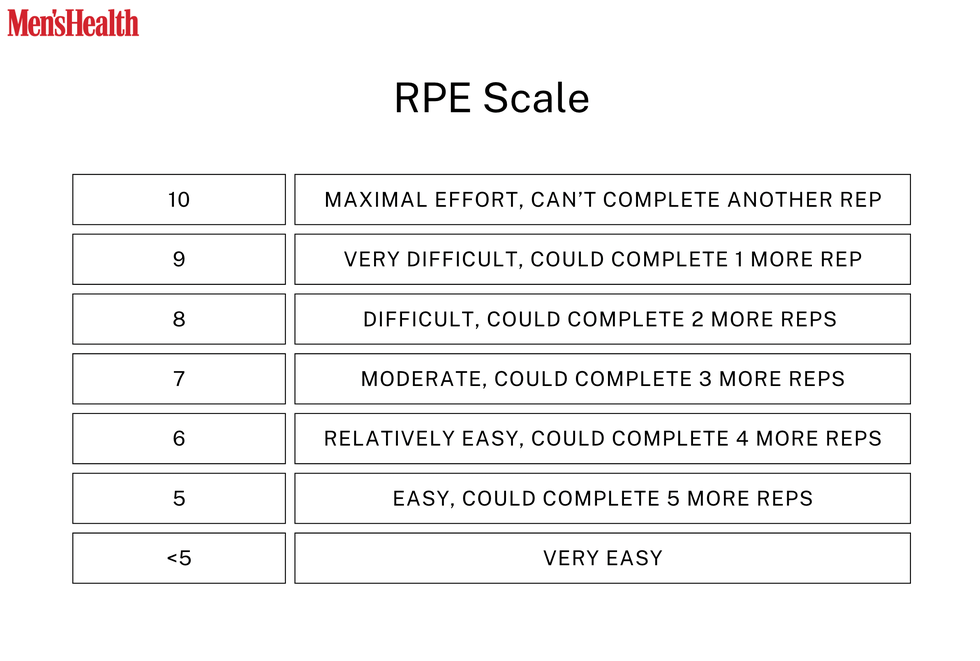
Autoregulation can help here. Using tools such as the rate of perceived exertion (RPE) scale or reps in reserve (RIR) allows you to tailor training intensity to how you feel on a given day.
How to Improve Your Bench Press in Your 50s
Despite what many people believe, it’s still possible to gain bench press strength in your 50s. You just need to train smarter than the days of skipping warm-ups, sleeping poorly and running on fumes.
Focus on the following principles:
Progressive Overload
Gradually increase the load, reps or total training volume over time to provide the stimulus your body needs to adapt. You don’t need to add weight every week. Small increases over time are more realistic and sustainable.
Training Close to Failure
You don’t need to push every set to absolute failure. Working a few reps shy of failure is usually enough to stimulate strength gains while still allowing recovery.
Managing Fatigue
Recovery becomes increasingly important in your 50s. Sensible programming, occasional lighter weeks and adequate rest between heavy sessions will help maintain progress.
Accessory and Prehab Work
Supporting muscles around the shoulders and upper back can improve pressing strength and reduce injury risk. Exercises such as dumbbell presses, rows and triceps work can reinforce the bench press. Adjusting bench angle and grip width to suit your structure can also improve comfort and longevity.
Consistency
Above all, consistency remains the most important factor. Pair structured training with sufficient recovery, adequate protein and calories, and good sleep, and you can continue building strength well into your 50s and beyond.