
The Best Fitness Platform to Train Anywhere!

Are you ready
to change?

start your journey

Easily monitor your health and progress

Join the Challenge! Bodyweight workouts, muscle-building routines, and high-intensity video guides.

Easily monitor your health and progress Precision tracking for smarter nutrition planning. Make every calorie count.

Edit Template

Viral Hand Exercises for Dementia: Do They Work?

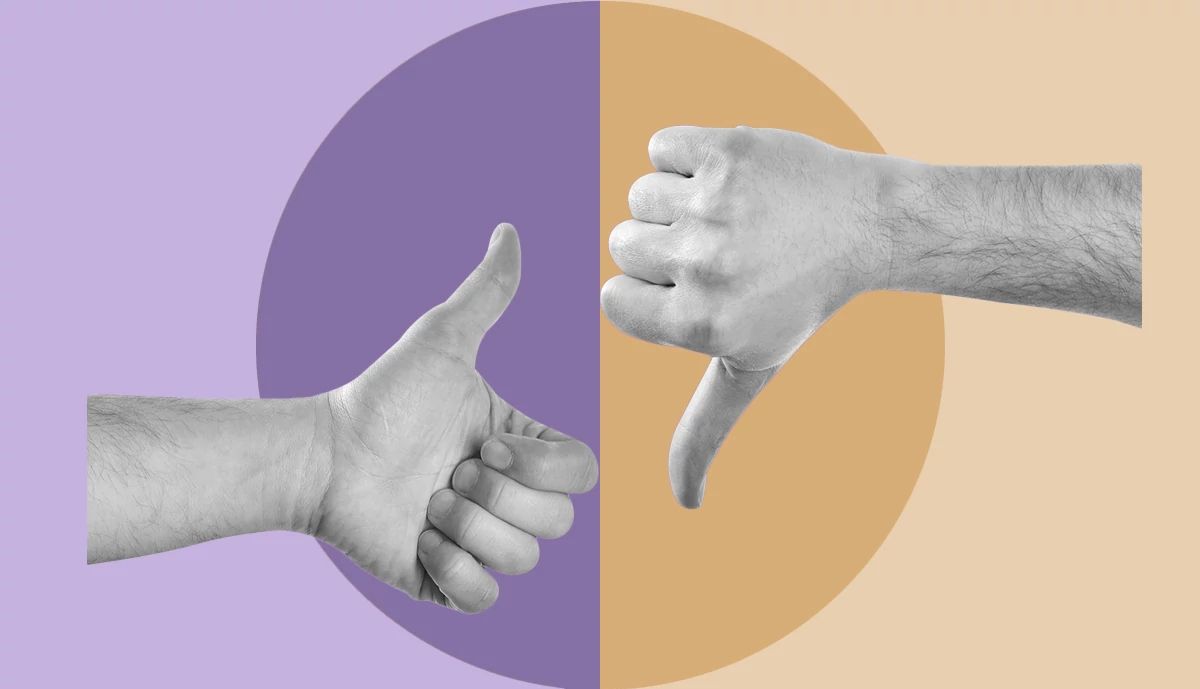
A close-up view of one hand giving a thumbs up and another giving a thumbs down

A viral trend sweeping social media suggests that moving your hands through a series of complex, opposing movements will help prevent dementia and cognitive decline. But experts say there are better ways to protect your brain health.

The hand exercises take you through alternating gestures: clapping your palms, then hitting the backs of your hands together; tapping your fingertips in sequence; pointing with your thumb and first finger on separate hands while switching, and more. The moves vary in complexity and can be tricky to do, especially on the first try.

Suzi Schulman, a New Jersey–based chiropractor who posted a video demonstrating one of these exercises, says coordinating movements between hands helps cognition. “If you stimulate areas of the brain you don’t normally stimulate, there’s going to be improvement,” she says. She’s also a fan of hobbies that require coordination, like knitting and crocheting

It makes sense that if you’re learning something new that’s hard to master, you’re probably building new connections in your brain, improving neuroplasticity. But you’ll probably learn these hand combos pretty quickly, and then the benefits will disappear.

generic-video-poster

“Once you figure it out, it’s no longer exercise,” says Dr. Charles DeCarli, codirector of the Alzheimer’s Disease Research Center at University of California, Davis. 

Better ways to reduce dementia risk

Dr. Edward Huey, director of the memory and aging program at Butler Hospital and a professor at Brown University, recommends more challenging mental exercises, like studying a new language, taking a class, playing an instrument or other hard-to-tackle tasks.

“Hand exercises aren’t going to hurt,” Huey says. But he doesn’t want people to do hand exercises instead of other activities that have stronger evidence of effectiveness.

literature review of studies mostly conducted among older adults in China suggests that hand exercises may be associated with better cognitive function, mainly in people diagnosed with mild cognitive impairment. But the review, published in Brain, Behavior, and Immunity — Integrative in 2023, noted that while there were improvements to patients’ mental capacity, the studies were mostly small and the intervention varied greatly. The review’s authors called for more rigorous studies.

“While there are no easy hacks to prevent dementia, there’s increasing evidence that people who engage in a variety of cognitive as well as physical activities [see the six pillars of brain health] are more likely to slow down cognitive decline over time,” says Dr. Joe Verghese, professor and chair of neurology at Renaissance School of Medicine at Stony Brook University. 

Most Popular

The 2025 results of the U.S. POINTER study, a two-year clinical trial sponsored by the Alzheimer's Association, support this notion. In the study, researchers randomly assigned 2,111 volunteers — who had an average age of 68 and some risk factors for dementia, such as a sedentary lifestyle — to either a closely guided lifestyle program or a self-directed one. Participants were encouraged to exercise consistently, eat a healthy diet, socialize and do some memory exercises. Both groups showed gains in cognitive health, but those in the structured program experienced slightly greater improvement.

Physical exercise is one of many important keys to brain health. It can contribute to your overall well-being and release endorphins, which benefit the brain. It can also lower your risk of heart attack and stroke, which are two conditions that share risk factors with dementia. DeCarli recommends activities you can be consistent with, such as dancing, walking, jogging and cycling.

Brain health is a “package,” Verghese says. He works with patients to learn what physical exercise, mental tasks and social activities work best for their schedule and are easiest to stick with.

It’s also best to avoid risk factors like high blood pressure, high cholesterol, diabetes, obesity, depression, physical inactivity, excessive alcohol consumption and more. “A healthy body is a healthy brain,” DeCarli says. 

Debunking quick fixes

When the next viral trend pops up, Huey says, be wary of absolute claims. “As doctors, we tend to be a little cautious about recommending things because we want positive evidence that something helps first,” he adds.

There is no quick pill or quick fix for dementia. The key is to make sustainable lifestyle changes, with evidence from research like the POINTER study and AARP’s Global Council on Brain Health, which reviewed the research on cognitive stimulation in its report “Engage Your Brain.” 

Huey also suggests keeping costs down by choosing activities that don’t carry steep price tags, like walking and getting together with friends, as well as choosing whole foods over ultra-processed ones.

“Preventing dementia and memory loss is on a lot of people’s minds, and people want answers,” Huey says. The good news is that the effects of maintaining a healthy, social and active lifestyle are significant.

Claire Leibowitz is an associate editor at AARP The Magazine and AARP Bulletin.

INDIVIDUAL PROGRAMS THAT MATCH YOUR WISHES AND YOUR CONDITION!

Become a member and join our community to get an access for best plans and sport videos.